Breathe Easier at Home with Better Insulation
If you or your family members suffer from allergies, asthma, or constant sneezing fits indoors, your home's air quality might be to blame. Many homeowners assume that upgrading air filters or investing in an air purifier is the best way to fix indoor air pollution. While those can help, one of the most overlooked factors affecting indoor air quality is insulation.
That’s right—the right insulation can actually help you breathe cleaner air while also making your home more comfortable and energy efficient. In areas like Burlington, Mount Vernon, Sedro-Woolley, and throughout Skagit County, where damp conditions can cause mold and allergens to thrive, ensuring your home is properly insulated can make a world of difference.
Wait… How Does Insulation Affect Indoor Air Quality?
It might not seem obvious at first, but insulation plays a huge role in what you breathe inside your home. If your insulation is old, poorly installed, or just plain ineffective, it can allow dust, pollen, mold spores, and other airborne irritants to move freely through your walls, attic, and crawl spaces.
Think about it if your home has gaps, cracks, or areas where air can seep through, you're basically inviting unfiltered outdoor air (along with all its contaminants) inside. And if moisture sneaks in, that’s where things get even worse—hello, mold and mildew!
Proper insulation helps by sealing out allergens, controlling moisture, and improving the overall efficiency of your heating and cooling system. The result? Cleaner, healthier air inside your home.
Signs That Your Insulation Might Be Hurting Your Air Quality
Is your insulation part of the problem? Here are some red flags to watch for:
- You experience more allergy symptoms indoors than outside.
- A musty or damp smell exists in your attic, basement, or crawl space.
- No matter how often you dust, there’s always a layer of dust settling everywhere.
- Your home has hot and cold spots, meaning air isn’t circulating properly.
- You’ve noticed visible mold or moisture in certain areas of your home.
If any of these sound familiar, your insulation may need an upgrade.
Best Insulation for Cleaner Indoor Air
Not all insulation materials are created equal when it comes to improving air quality. Some help block pollutants and allergens, while others are better at preventing moisture buildup. Choosing the right type of insulation for your home depends on your specific needs.
For homes in Skagit County, where humidity can lead to mold issues, spray foam insulation is one of the best choices. It creates an airtight seal, keeping out pollen, dust, and outdoor pollutants. It also has built-in moisture resistance, making it an excellent option for allergy sufferers.
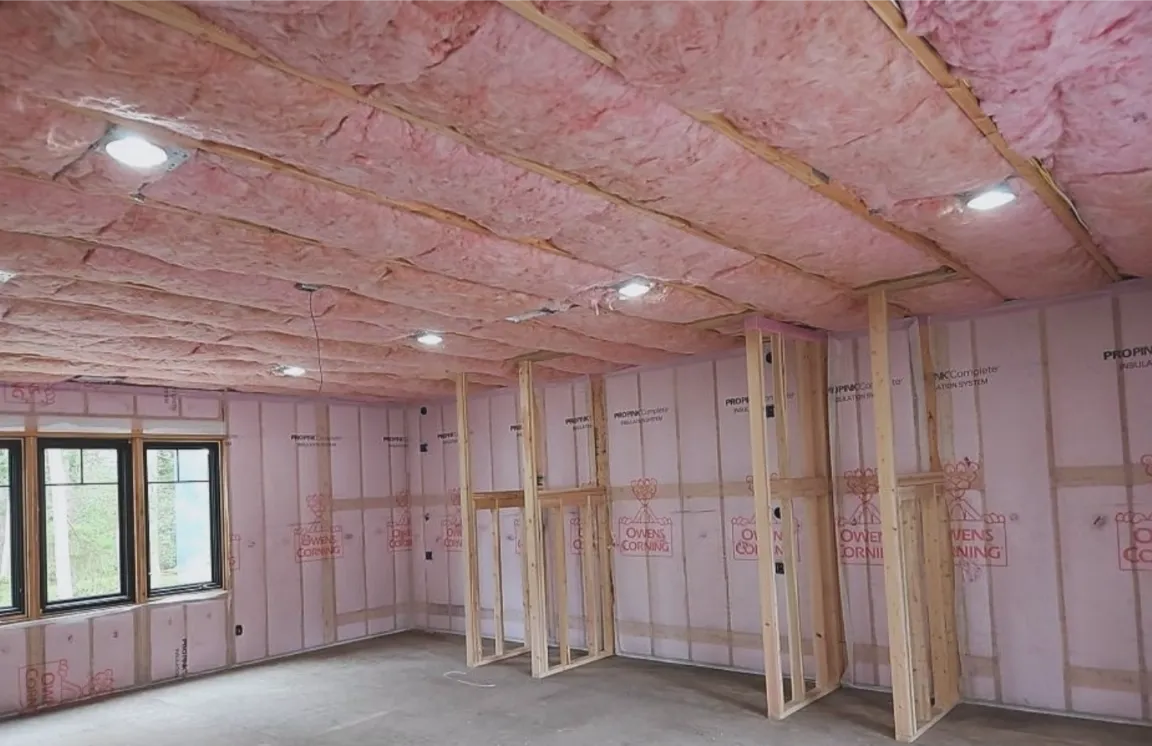
Another great choice is cellulose insulation, which is made from eco-friendly materials and is treated to resist mold and pests. Fiberglass insulation is also a solid option, as it helps regulate indoor temperature while being naturally resistant to moisture.
If your home has major air leaks, air sealing and vapor barriers may be necessary to prevent unwanted air infiltration and moisture buildup.
Beyond Insulation: Other Ways to Improve Indoor Air Quality
While insulation is a game changer, there are other steps you can take to keep your home’s air fresh and clean:
- Upgrade your air filters – HEPA filters trap allergens and pollutants much better than basic filters.
- Keep humidity under control – A dehumidifier can help in damp areas like basements and crawl spaces.
- Make sure your attic and crawl spaces are ventilated – Stale, trapped air can lead to mold problems.
Combining these strategies with proper insulation can create a healthier, fresher home environment.
Should You DIY or Call a Pro?
If you’re dealing with minor insulation touch-ups, like sealing small gaps or adding weather stripping, a DIY fix might work. But for bigger issues—especially those affecting air quality, moisture control, or energy efficiency—it’s best to bring in a professional.
A trained insulation contractor can pinpoint problem areas, recommend the right materials, and ensure a proper, airtight installation that makes a noticeable difference in your home’s air quality.
Ready to Breathe Easier? Let’s Talk Insulation!
If your home feels stuffy, dusty, or just not as fresh as it should, your insulation might be to blame. Whether you’re in Burlington, Mount Vernon, Sedro-Woolley, or anywhere in Skagit County, we can help improve your home’s air quality with the right insulation solutions.
Let’s chat about how we can make your home healthier and more comfortable! Contact PNW Construction & Energy today for a free consultation.